- Finding poetry in the ordinary: The subtle art of still life and street photography
Finding poetry in the ordinary: The subtle art of still life and street photography
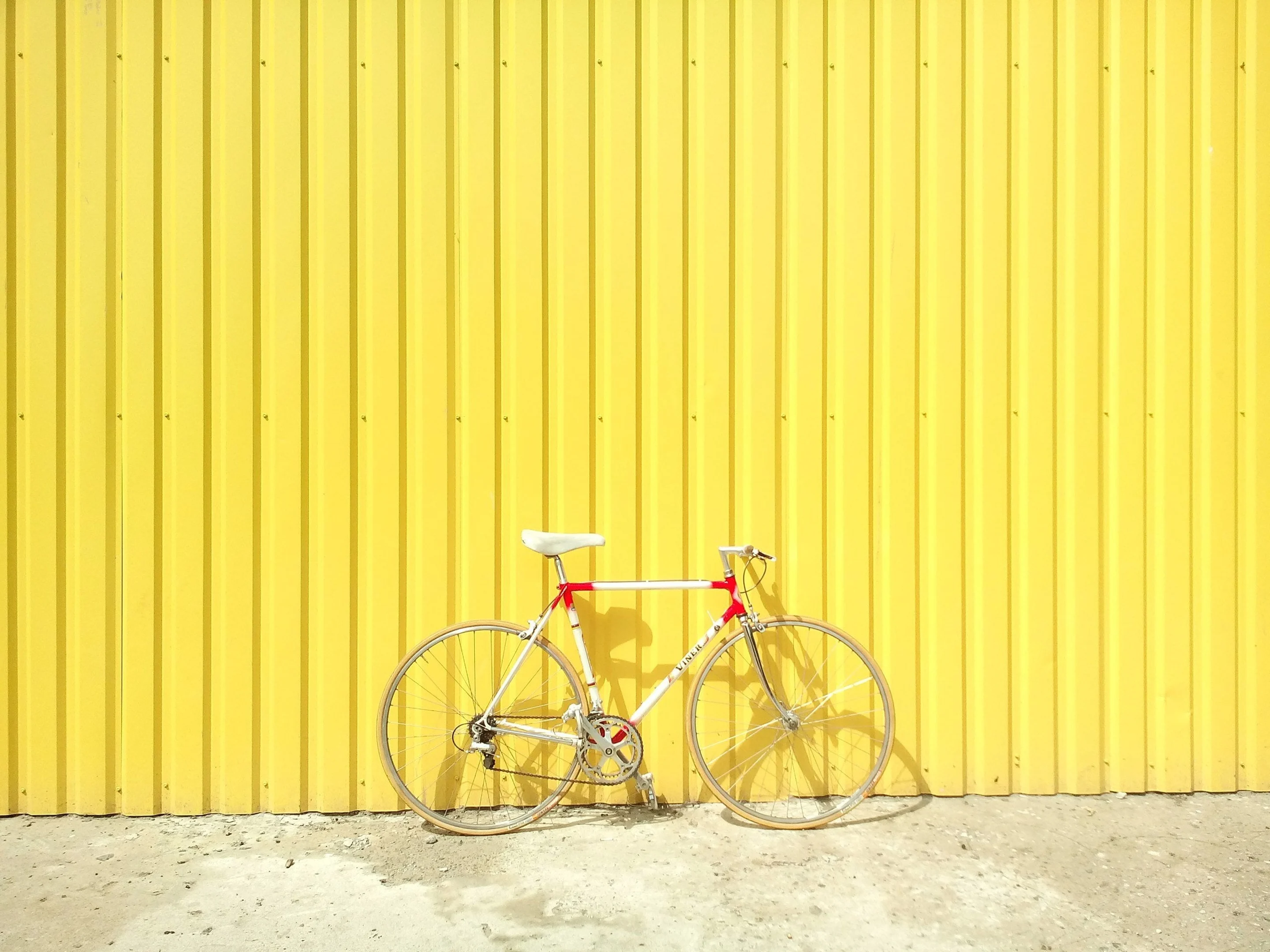
A mattress by a roadside. A pair of fold-out camping chairs in a car park. The sharp angles of a street sign, catching the last rays at dusk. If someone told you to take a “beautiful” photo, I bet these wouldn’t be first on your list of subject matters.

Photo by Eric Kim
Some photographers all too easily assume that in order for an image to be “beautiful,” it has to be of a sunset, a lush natural landscape, or maybe a pair of lovers walking along a beach. But this simply isn’t true.
Just as the great American philosopher and journalist Henry David Thoreau said, “It’s not what you look at that matters, it’s how you see.”
So how exactly does one see the art in still life and street photography? Below are some tips you can use to do this.
01. Use visual metaphors
Don’t underestimate the power of visual metaphor. A flower emerging through a crack in the desert can symbolise hope. An abandoned house can suggest memory, nostalgia and displacement. These kinds of images resonate with people, through their sheer ability to transcend the physical world and tap into something deeper and more profound.

Photo by Yener Ozturk
And don’t be fooled into thinking your imagery always has to be bright and colourful. Contrary to what the advertising industry and the Hollywood machine might tell you, often, the most powerful and evocative imagery depicts the quiet, dark, and unsuspecting corners of the world.
03. Set the mood with light
“There’s a crack in everything, that’s how the light gets in.” Arguably Leonard Cohen’s most profound lyric, this statement ultimately teaches us that nothing truly beautiful is perfect. The flaw is the mark and guarantor of beauty.
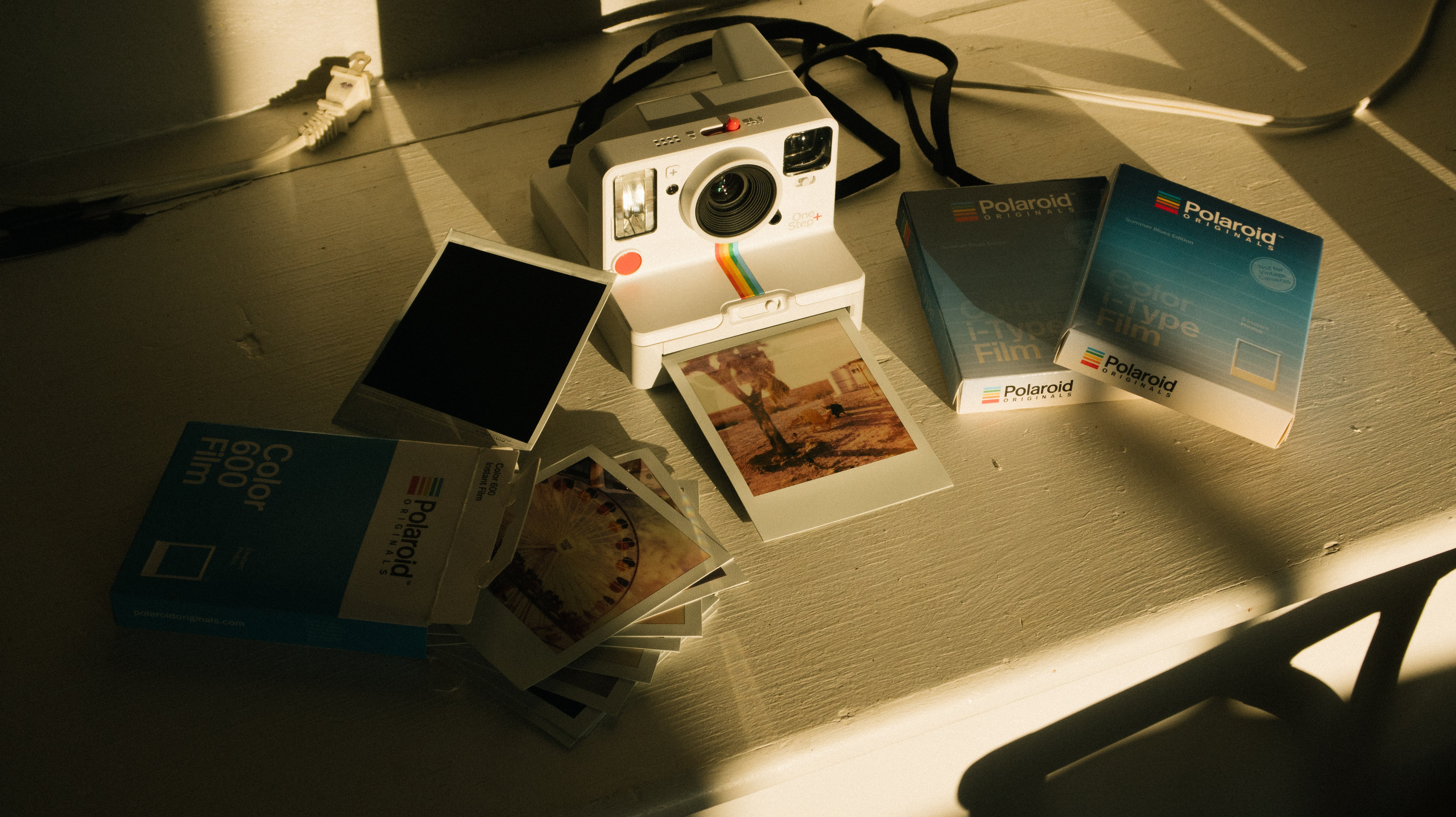
Ordinary objects can be transformed through use of light. Natural lighting is always best, and experimentation is key. When you find an object to shoot, circle around it and look to see if you have shafts of light streaming in or if there’s misty diffused light to add a mood. Sunrise and sunset are ideal times to shoot, with ripples of light casting shadows and bringing out the intensity of colors.

Photo by Jordan Mixson
When shooting indoors, use the light from a window, making sure any room lighting is turned off. Try placing the object on a table and position it so that the light illuminates one side. Some still life subjects look good with a strong contrast between the light (highlight) and dark (shadow) areas.

Photo by Deborah Diem
However, if the contrast is too great, you can lighten the shadows with a reflector. Simply rest a sheet of white card against some books near the shadow side of the subject. Light from the window will be reflected from the card into the shadows. Alter the distance between the card and the subject to control the amount of reflected light reaching the shadows.
04. Switch up the angles and move in close
Many amateur photographers start by taking pictures from the angles they naturally use to view objects, which is eye level. They tend to shoot objects below them from a standing position, and this perspective isn’t overly interesting or unique. However, when you get down (or up) to the level of your subject matter, you can shoot images from a perspective that most people don’t see regularly.

Photo by Jason Briscoe
An example of this would be photographing flowers in a garden while hunkered down on the ground to zoom in close and capture their unique texture, colours and patterns, instead of towering over them shooting downward.

Photo by Anette Grolle
Shoot from angles that people aren’t accustomed to, focus on certain parts of the object and you’ll create a far more intriguing perspective.

Photo by Catrin Johnson
You can also use a macro lens to zoom, or experiment with your lenses and find the minimal focal distance that works for you. Even without macro or close focus, think about shooting a quality, high resolution image that you can crop later. And if you’re doing this as a creative exercise, remember that your smartphone has an incredible macro feature—it can focus inches away from your subject.
05. Play with depth of field

Photo by Deborah Diem
Another important setting for still life and street photography is depth-of-field. This is the area of the subject that appears in focus. The lens can only focus on a single image plane, so only the part of the subject you focus on will be in sharp focus.

Photo by Dane Deaner
However, an area in front of or behind the focus plane will only be slightly out-of-focus. They will appear to be sharp to the human eye. This area of apparent focus is called the depth-of-field and changes as you alter the aperture. Small apertures, such as f/16 or f/22 give the greatest depth-of-field; wide apertures, such as f/2.8 and f/4, give a narrower depth-of-field.

Photo by Daniel McCullough
When it comes to still life and street photography, “ordinary” subjects can evoke just as strong an emotional response as those that photographers would typically go for. It’s all about using the correct lighting, composition, and textures, as well as having an eye for visual metaphor. It is the artist’s job to capture the world around us, not just with our physical eye, but with our mind’s eye. To make visible the things that others can’t see, to illuminate the everyday, to find beauty in the mundane—the jagged edges and the layers in between.

Written by
Ros Brennan