- 7 practical rain photography tips for shooting images in stormy weather
7 practical rain photography tips for shooting images in stormy weather
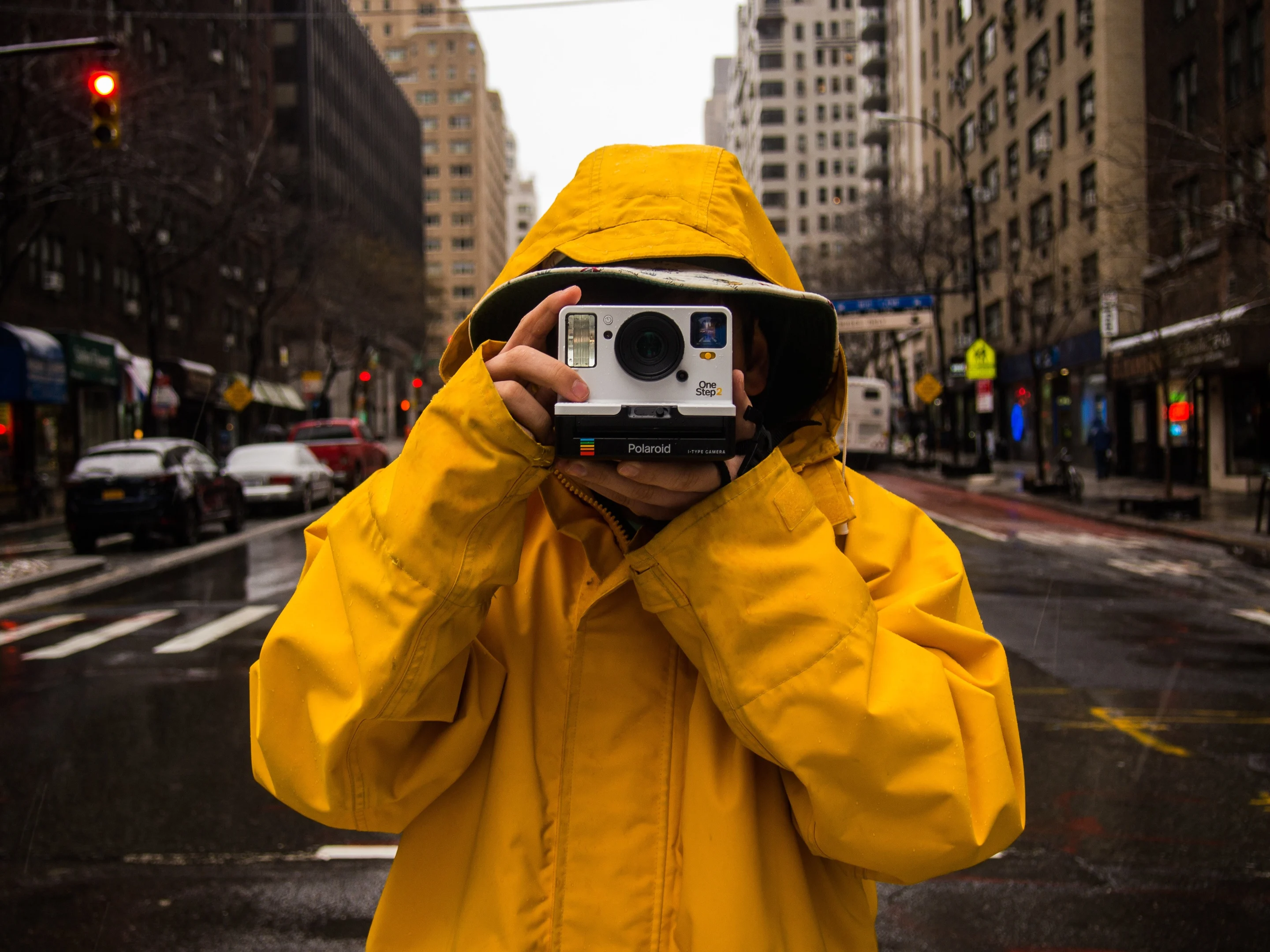
When the storm clouds roll in, most people tend to curl up inside and enjoy a hot cup of tea—but photographers are not “most people”.
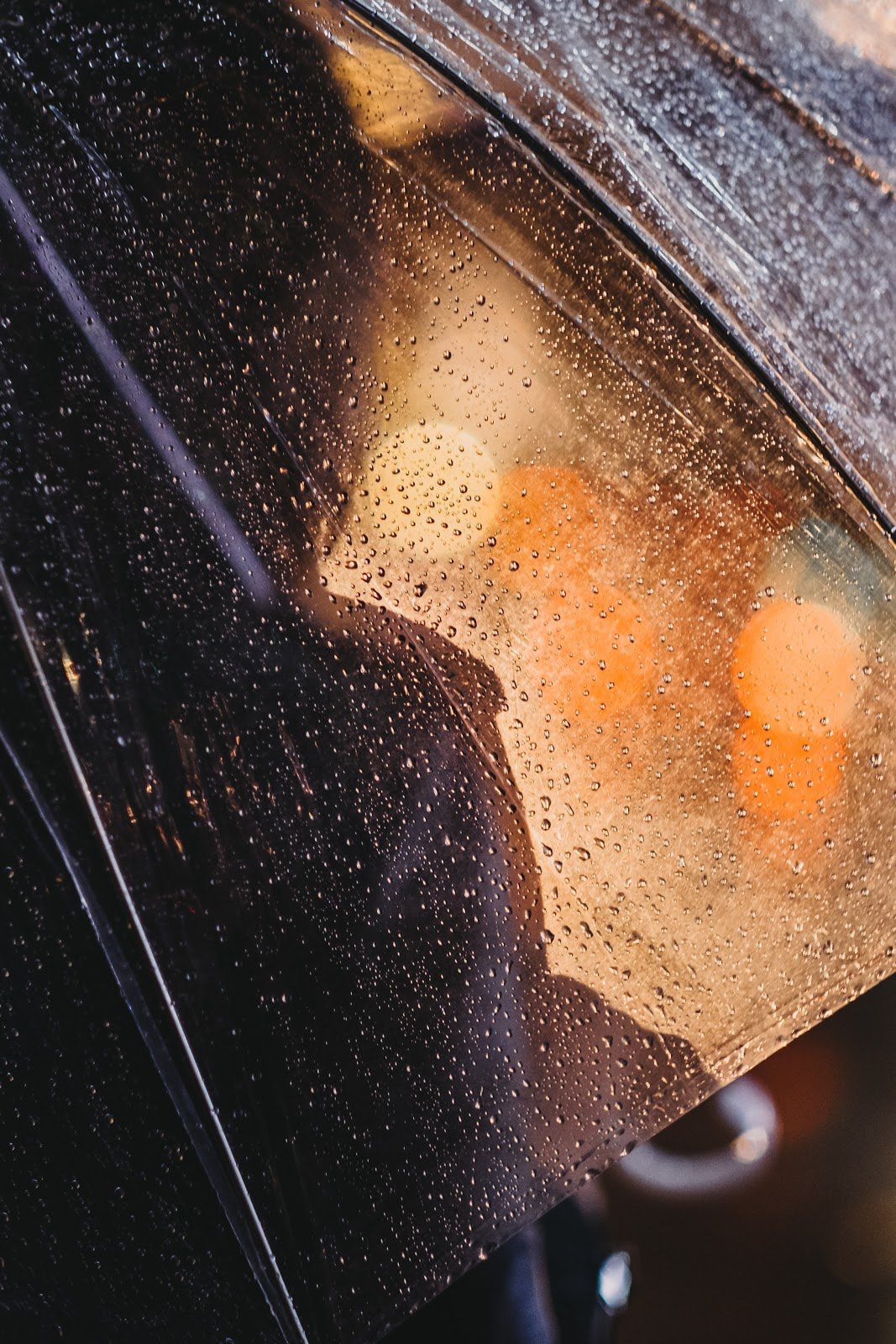
Photo by Joshua K. Jackson
For most photographers, the desire to capture the world in a unique way outweighs the need to stay comfortable and warm. If you’re new to the rain game, here are some handy tips to help you get the most out of a stormy day.
1.Protect your gear
Most DSLRs are weatherproof these days and can handle a light mist or a few drops of water. However, if you’re out and about in a torrential downpour, make sure to protect your camera.

Photo by Izzy Gerosa
You don’t have to bring out the bulky protective gear for every shoot. An easy way to waterproof your gear is to buy a rain sleeve, or go for a practical DIY solution. Grab a plastic bag, place it over your lens, screw on the lens hood, cut a hole in the bag, and voilà! You have your own rain sleeve.

Photo by Tristan Gassert
If you don’t have access to these things, simply grab an umbrella and find a dry area where you can take photos. You can also stay in your car or indoors and shoot through a window. When you’re done, just remember to use a lens cloth to dry off any rain drops on the lens and to towel dry the rest of your gear.
2. Look for water reflections
Once the rain clouds have cleared and the streets are slick with puddles, you can play around with the reflections that are left on the ground.

Photo by Redd Angelo
Filmmakers and photographers often recreate this effect by tossing water on the ground to capture striking reflections. Utilize nature’s gift and get outside in between showers.

Photo by Steve Roe
You can get that futuristic Blade Runner look by exploring wet city streets at night...

Photo by Oliver Hihn
Or get creative by composing shots of subjects against their reflections. The possibilities are endless.
3. Backlight the rain
Unless it’s absolutely pouring, it can be difficult to see visible raindrops in an image. An easy technique to make raindrops pop in a shot is by adding some back lighting.

Image by Jonathan Suckling
Create your own back lighting by setting up an off camera flash behind your subject like wedding photographer, Jonathan Suckling.
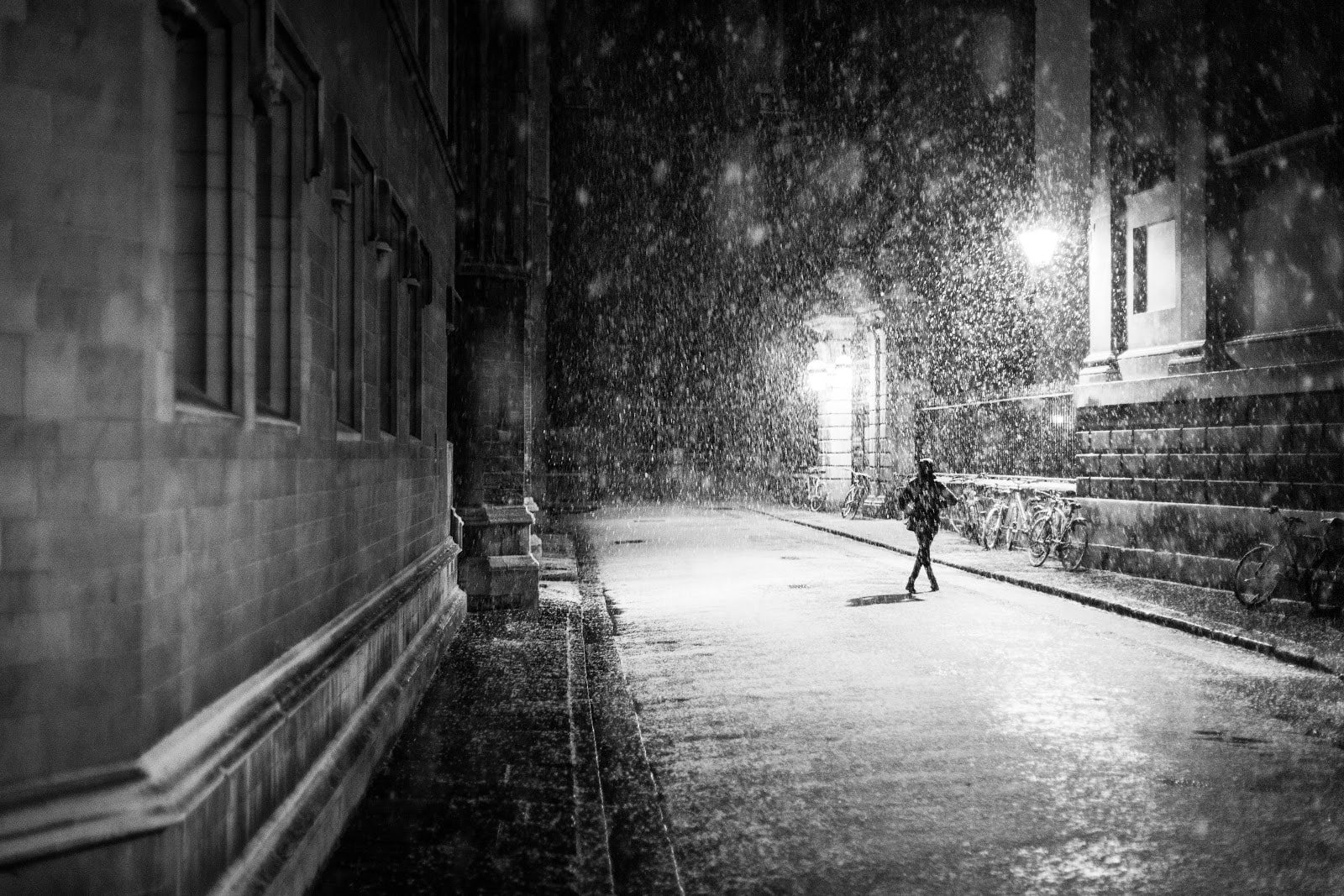
Photo by Dominik Schröder
Find lamp posts to light up the rain droplets like Dominik Schroder.

Photo by David East
Use the bright light in the sky like David East.

Photo by Thomas Tucker
Or get creative with car headlights like Thomas Tucker. Experiment with different sources of back lighting to transform every image.
4. Watch a scene transform
Sometimes you don’t need to capture the rain itself, but the clues that indicate that it’s raining. A good way to shoot a street scene in the rain is to capture the umbrellas, the rain jackets, the puddles, and the reflections of raindrops on the ground.

Photo by Yiran Ding
A normal, everyday intersection tells a completely different story once the frame is littered with umbrellas.

Photo by Jack Finnigan
A dark, wet figure crossing an empty London street is perfectly contrasted by bright, red telephone boxes.

Photo by Redd Angelo
A gloomy market scene is transformed when a bright purple umbrella pops up.
5. Find beauty in bad weather

Photo by Gabriel
Don’t be afraid to capture a portrait in the rain. The cold, wet atmosphere can make for a beautifully moody image with some very soft lighting.

Photo by Louise Coghill
If you’re heading out on a photo shoot and the weather turns, don’t pack up and go home. By shifting the mood of the shoot, you have the chance to take away an even more powerful image. Just make sure to stay safe and dry up afterwards.
6. Keep an eye out for rainbows
If the sun begins to come out while there’s still moisture in the air, you might be able to spot a rainbow. A rainbow is formed when light is refracted and dispersed through water droplets in the air, creating a faint, colorful arc.

Photo by Calvin Chou
If the rain is coming down and the sun comes out, be on the lookout for potential rainbows.
7. Capture a high contrast storm
Mother nature is beautiful, but there’s nothing quite as eye-catching as a dramatic storm front.
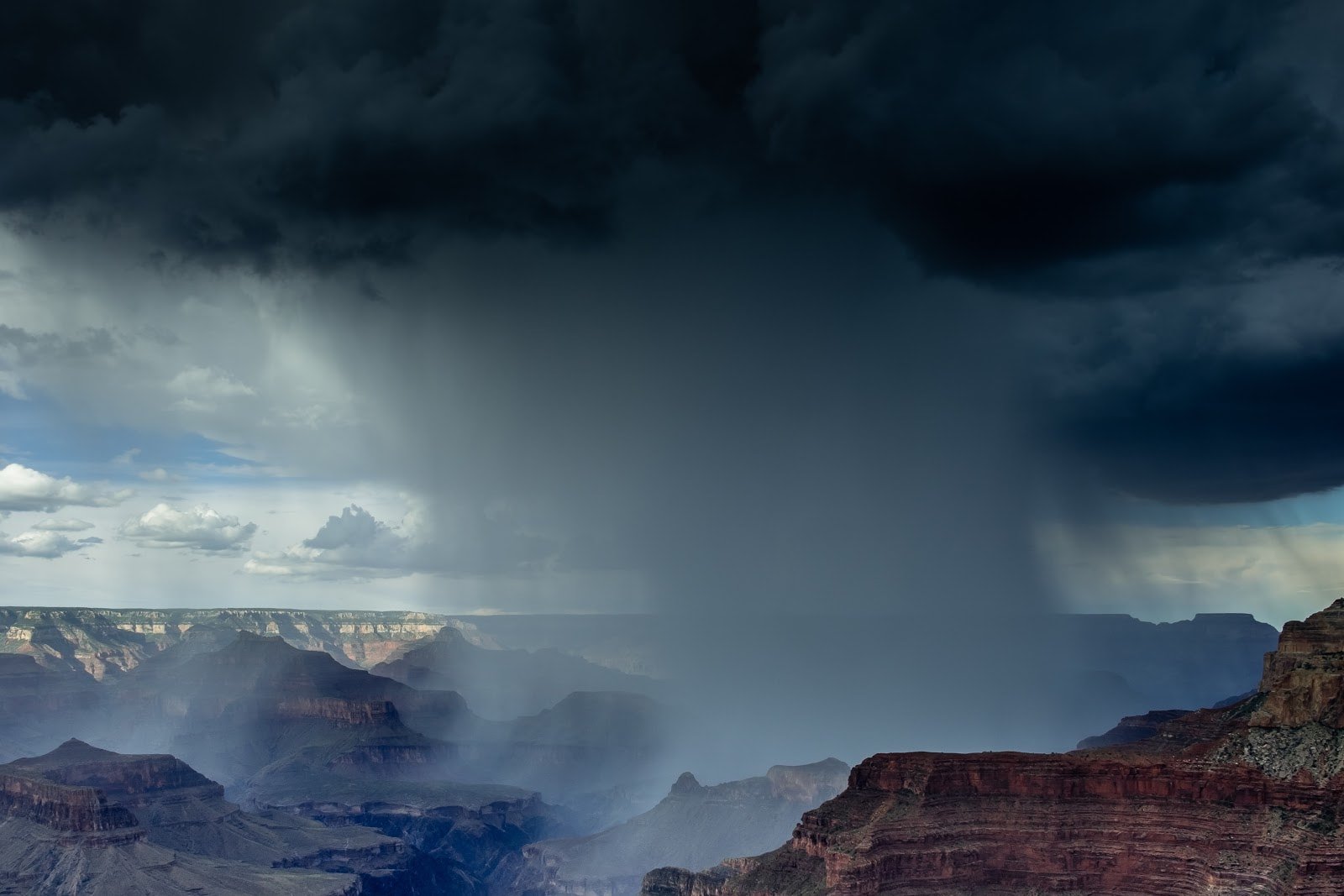
Photo by Madhu Shesharam
If there’s a lightning storm approaching, get to safety first, and capture the storm only after it’s moved past you.
To do this, simply get your tripod out and set your camera’s aperture between f8 and f14 so that the entire scene is in focus.

Photo by Will Eades
To capture lightning in your image, set a longer exposure time between five to 10 seconds. Any longer and a fast moving storm will start to become soft and blurry.

Photo by Ian Froome
You can also invest in a lightning trigger (a camera attachment which is triggered by the lightning) to capture the image.
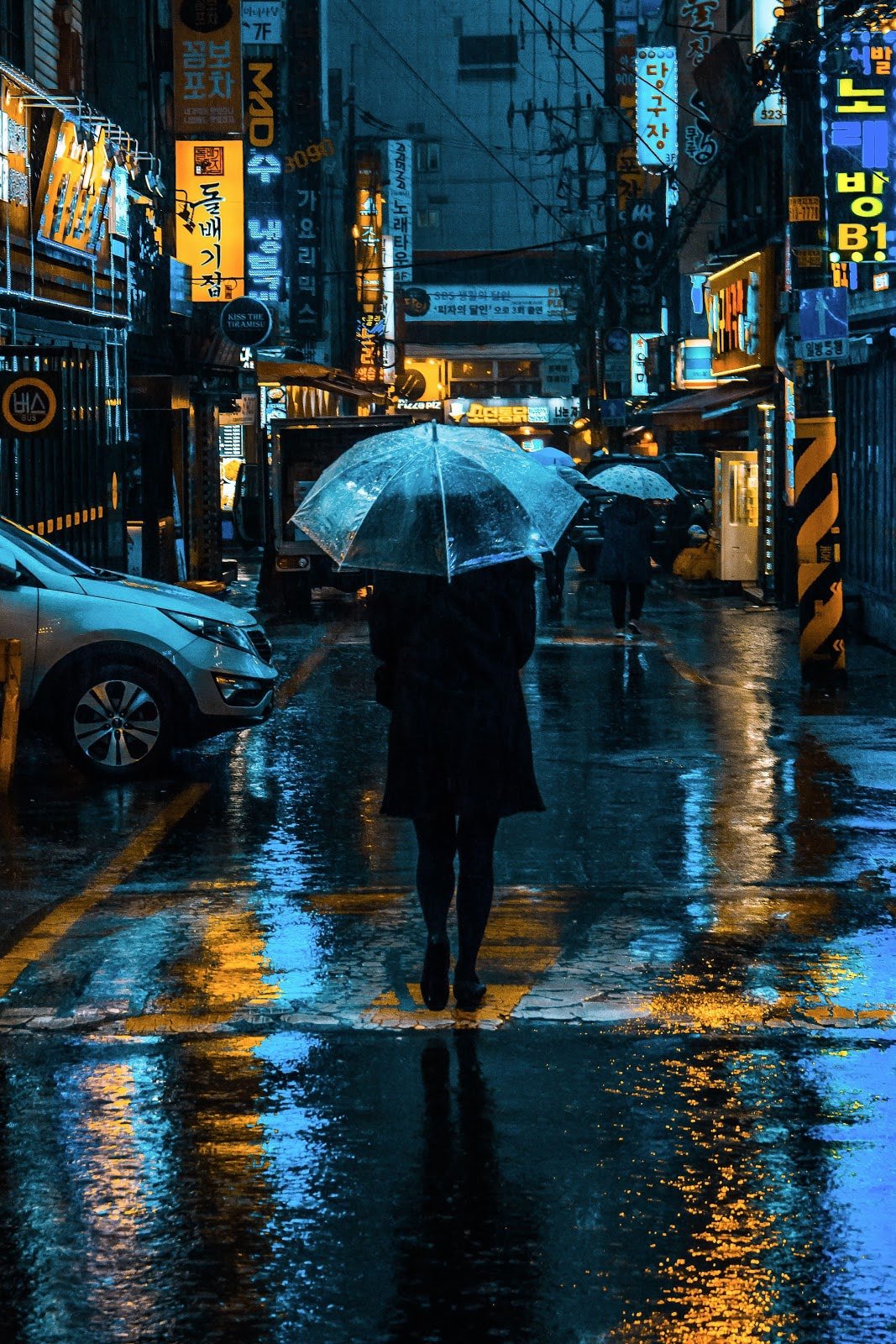
Photo by Steve Roe
Whether you intend to become a storm chaser or simply a professional photographer committed to a project no matter what the weather conditions are, understanding how to get the most out of shooting in the rain will definitely help take your photography skills to the next level.

Written by
Louise Coghill