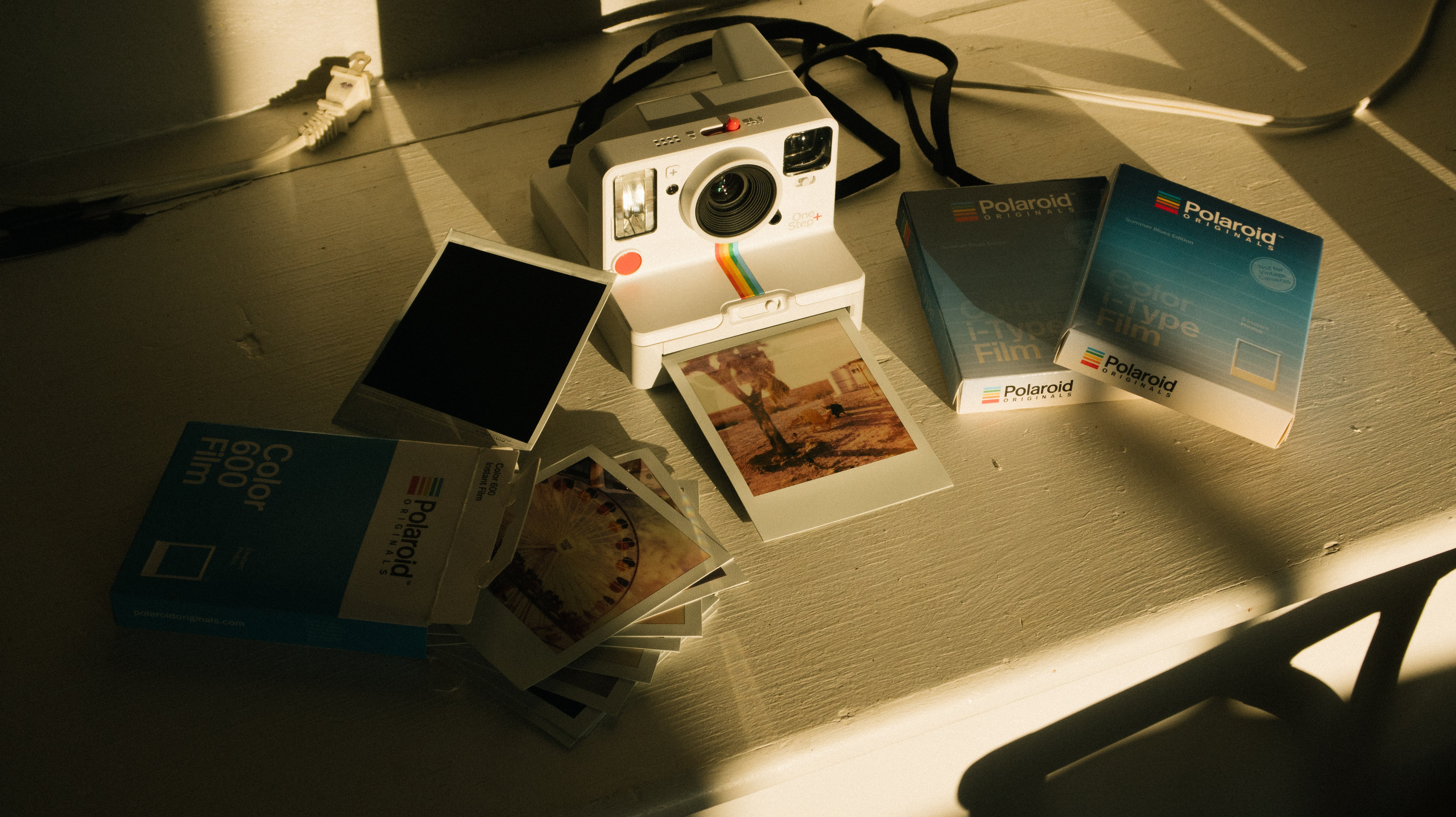
- Traveling with analog film: Here's why you should try it on your next trip
Traveling with analog film: Here's why you should try it on your next trip
“Where in the world are you today?” is a question I seem to get asked a lot. Born to parents who never settled long in one place, I’ve inherited a love for travel.

Photo by Dawn Chapman in London, England
And as a photographer, I feel compelled to document everything. Combine those two inclinations and you’ve got me, a girl who would never leave on a holiday without a camera...or three.
01. It makes organizing easier
Over time, I’ve experimented with a variety of different cameras and formats and have an archive of thousands of photos from my travels that represent a lot of time spent trying to get the “perfect shot.” They sit on hard drives in the bottom drawer of my desk at home, and aside from the few highlights shared to social media, I rarely look back through them. The idea of organizing and editing them is a task that feels so overwhelming I give up on it before I even begin.

Photo by Dawn Chapman in Yosemite, California

Photo by Dawn Chapman in San Francisco, California
A few years ago, after adding yet another hard drive to my drawer to gather dust, I realized I needed to find a way to reduce the number of images I was taking. I wanted to free up time both during and after my trips, while still being able to document everything. I also wanted all the manual control that an interchangeable lens camera offers, but I didn’t want to keep returning from my travels with hundreds of images I’d never look through again.

Photo by Dawn Chapman in Yosemite, California
This is why for me, traveling with analog film was a fairly obvious choice. Now, aside from the quick shots I take on my phone, I shoot exclusively with film, and I no longer take a digital camera with me when I travel. I have a battered old manual focus Nikon camera that takes 35mm film, and it has become a trusted companion that has traveled with me to numerous countries across five continents and counting. When I load the camera with film, I can take 36 frames before the roll runs out.
02. It makes you more mindful

Photo by Dawn Chapman in New York, New York
As soon as I started shooting film, rather than feeling restricted by only being able to take 36 photographs, I began to feel liberated. Instead of hunching over my LCD screen scrolling through twenty photos wondering which one best “captured the moment,” I could take one photo and trust that I had done everything in my power to get it right. Of course not every photograph is a great image, but in most cases I don’t think taking another 19 photographs of the same thing would make a difference.
I’ve found that the moment you realize you can’t take an unlimited number of images to get that one perfect shot, you become more mindful. Instead of taking ten images of a scene and thinking I’ll just sort through them later to pick the best one, now I only take one photo, and try to make it the best possible photo I could take.

Photo by Dawn Chapman in Tokyo, Japan

Photo by Dawn Chapman in Paris, France
This requires slowing down to think about all of the elements that make a good image including composition, focus and exposure. I find myself really considering what it is I want to capture in the image, and this in turn has helped me to more fully appreciate all the beautiful aspects of the scene in front of me.

Photo by Dawn Chapman in Hallstatt, Austria
03. It lets you spend more time having fun
Even though I now take fewer photos overall than I used to, there’s no denying the cost of shooting film. Buying and developing film can be expensive. But most film cameras cost a fraction of the price of a digital SLR, and in my mind, though it might sound a little cheesy, I can’t put a price on the time I’ve saved, and the moments it has helped me to enjoy more fully.

Photo by Dawn Chapman in Cape Town, South Africa

Photo by Dawn Chapman in Cape Town, South Africa
An additional benefit of traveling with less expensive film cameras is that they are often lighter, and look less valuable, than a digital camera. If you’re a budget traveler like me, this means less weight in your bag, and less anxiety about theft when staying in shared accommodation. There’s also less of a concern about losing a camera to general accidents, because even in a worst case scenario you’ll never lose more than 36 photos.

Photo by Dawn Chapman in Capri, Italy

Photo by Dawn Chapman in Capri, Italy
04. It saves time and effort
Best of all though is that with analog film, it’s no longer a daunting and lengthy chore to organize my travel snaps once I get home. I send my rolls of film to my local lab to be developed and within days, I get back the image scans. Instead of my usual feelings of reluctance, when I shoot film, the excitement of seeing the photos for the first time makes me impatient to look through them. And because film is more forgiving than a digital sensor, if I don’t get my exposure quite right, usually, the images I get back are also so well color-corrected that any edits are a breeze.

Photo by Dawn Chapman in Taupo, New Zealand

Photo by Dawn Chapman in Queenstown, New Zealand

Photo by Dawn Chapman in Cinque Terre, Italy
Thought it can sometimes be disappointing to get a roll of film back and find out that a shot I thought would be great didn’t turn out the way I had planned, I find that uncertainty makes the beauty of the images that do turn out even more satisfying. Every time I get a roll back from the lab, it reaffirms my love for film photography. I still get to satisfy my need to photograph everything—I just do it in a more considered way.

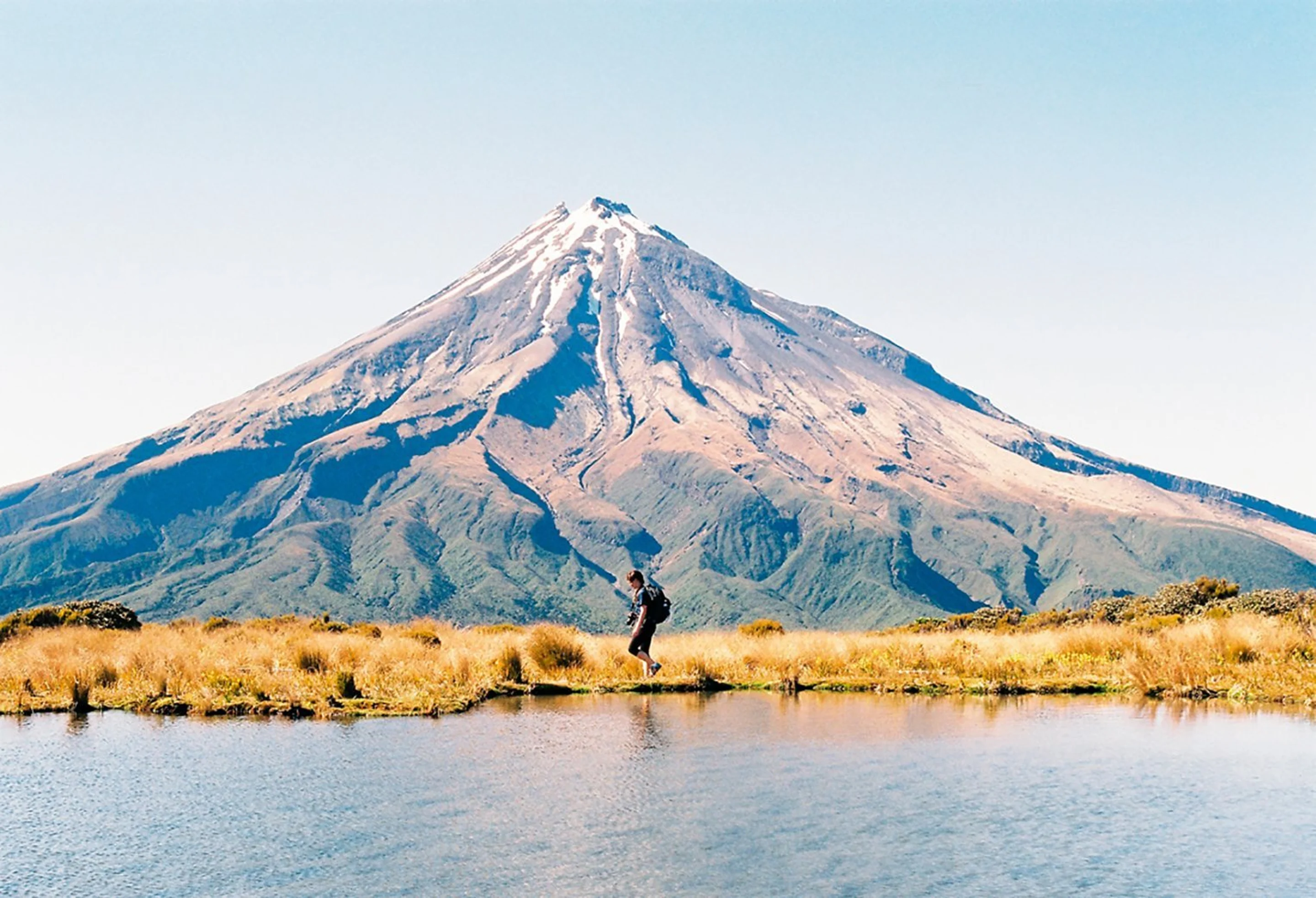
Photo by Dawn Chapman in Egmont National Park, New Zealand

Photo by Dawn Chapman in Aoraki/Mount Cook National Park, New Zealand

Written by
Dawn Chapman