- Submission dos and don’ts
Submission dos and don’ts
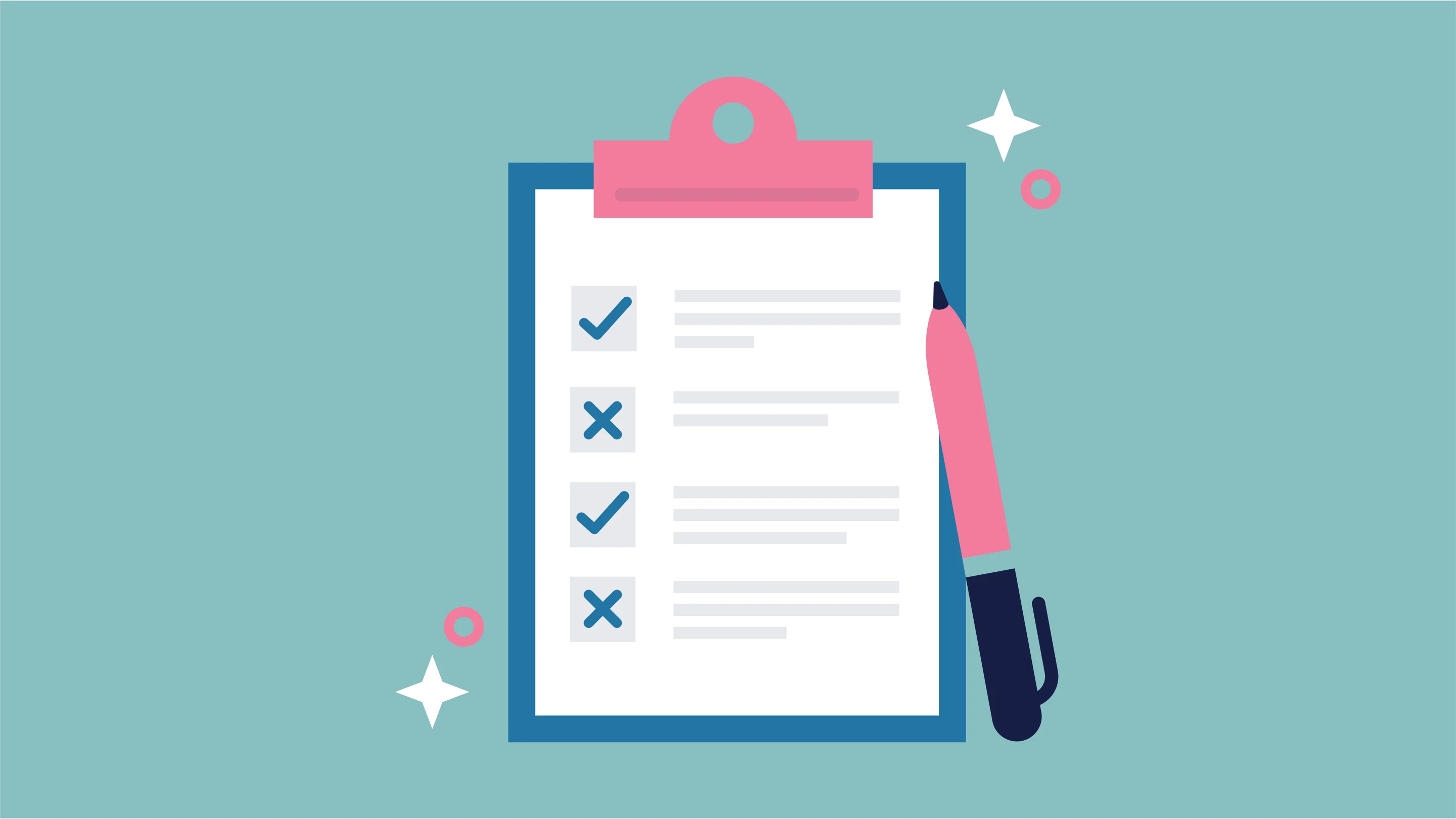
All images go through a review process to ensure they’re suitable for Canva. To increase the chances of getting all of your images approved and expedite the review process, here are some things you might want to keep in mind:
01. Do use correct file formats for photos and vectors.
Photos and vector illustrations fall under different categories in the library. Submit photos in .JPG or .PNG(opens in a new tab or window) format, and submit vectors in .EPS (v8 or v10) or .SVG format(opens in a new tab or window).

02. Do get releases
Valid model/property releases are a must for any photo with recognizable people and properties, including art. A rule of thumb: as long as people can recognize themselves or their work in the photo, get a release.
Feel free to use ours if you don't have one: model release and property release.
03. Do cutout isolated photos
Isolated photos—those with a flat, white or plain-colored background—are difficult to work with in the Canva editor. Submit them as cutouts instead (in .PNG format).

04. Do embed metadata
Always embed precise title, description, and keywords for each of your submissions. This will not only make the review process faster but will also allow you to provide the most accurate metadata, maximizing visibility.

05. Do organize files effectively
Use unique file names or submit files in a folder to avoid files overwriting your previous files. Note that compressed files aren’t accepted, so unzip folders before submitting them.

06. Do not include NSFW content

Photo by Giovanni Gagliardi
Canva is used in many schools and workplaces, so we don’t accept content with nudity, explicit sexual content, violence, or gore.
Nudity and sexual content includes genitalia, unclothed buttocks, female nipples, explicit sexual positions, and heavily implied adult activities.
Violence and gore includes too much blood, open wounds, internal organs, implied suicide, any weapon pointed at an individual, and consumption of illegal drugs.
For other rejection reasons, you can check out these articles in the help center(opens in a new tab or window): photos we don't accept(opens in a new tab or window) and what to remove from vector submissions(opens in a new tab or window).
07. Do not add digital text to photos
Users want the freedom to add their own design elements to photos in Canva, so avoid adding digital text or combining photos and vectors that they might want to do themselves in the Canva editor.

08. Do remove guides, unnecessary backgrounds and texts, and gradients in vectors
Crop marks and instructions (such as sample text or “add text here”) aren’t part of usable vectors, so they should be removed before you upload.

Similarly, plain backgrounds (if they don’t form part of the illustration) and text (such as Happy Holidays!) make vectors less usable in designs.
We also want to let users recolor vectors when they create their designs, which at the moment we can’t do with gradients. We can still accept them, but they won’t be re-colorable, so they won’t sell quite as much. So try to use gradients only where you really think they belong.

Keeping all these in mind, you’ll get more of your images approved, so they can be made available in Canva as soon as possible.
Written by
Canva Team