- How to convert creativity into value
How to convert creativity into value
Working in a large organization with over 100+ employees? Learn how to communicate visually, boost productivity, and stay on brand at scale. Get in touch.(opens in a new tab or window)
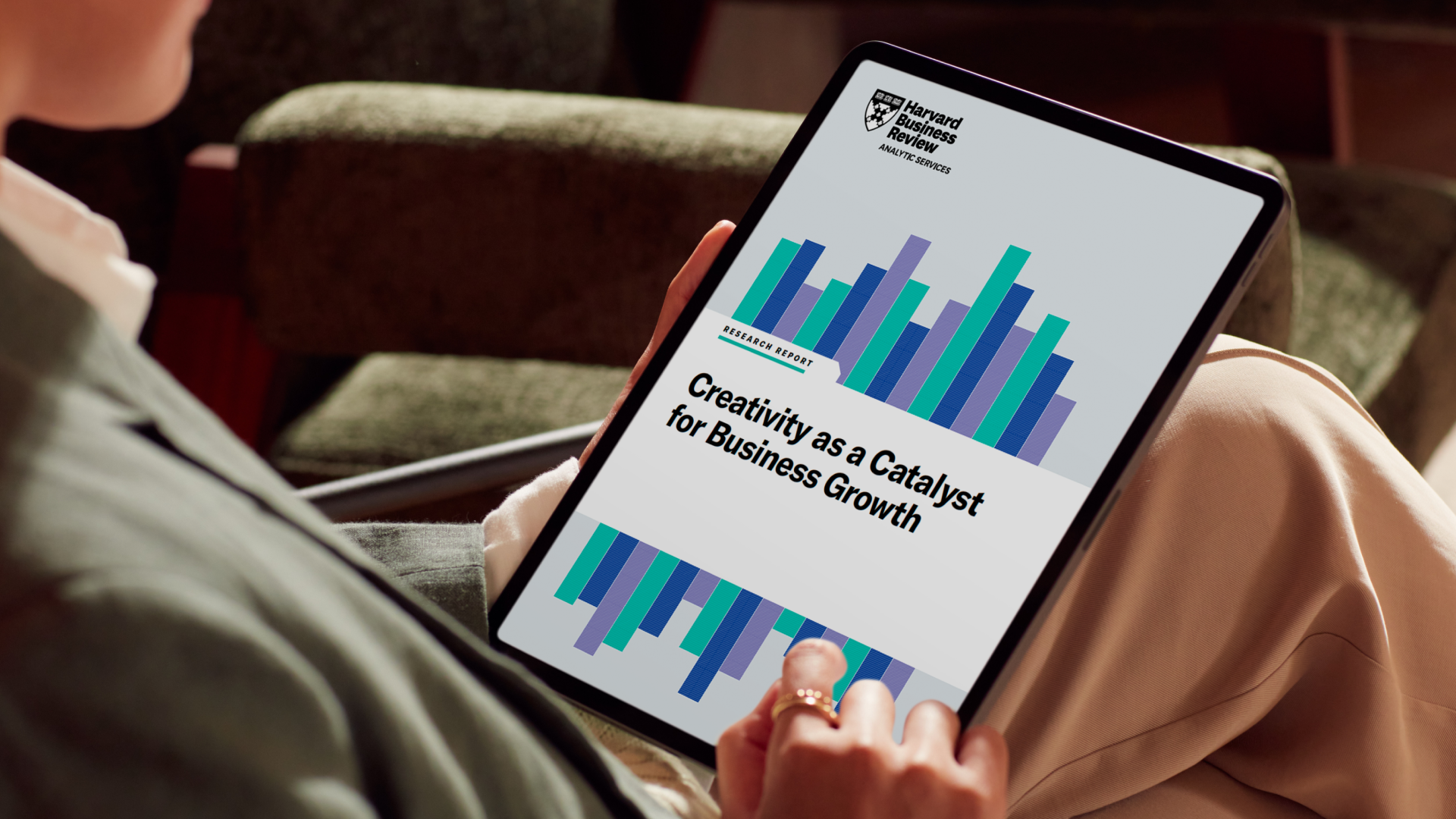
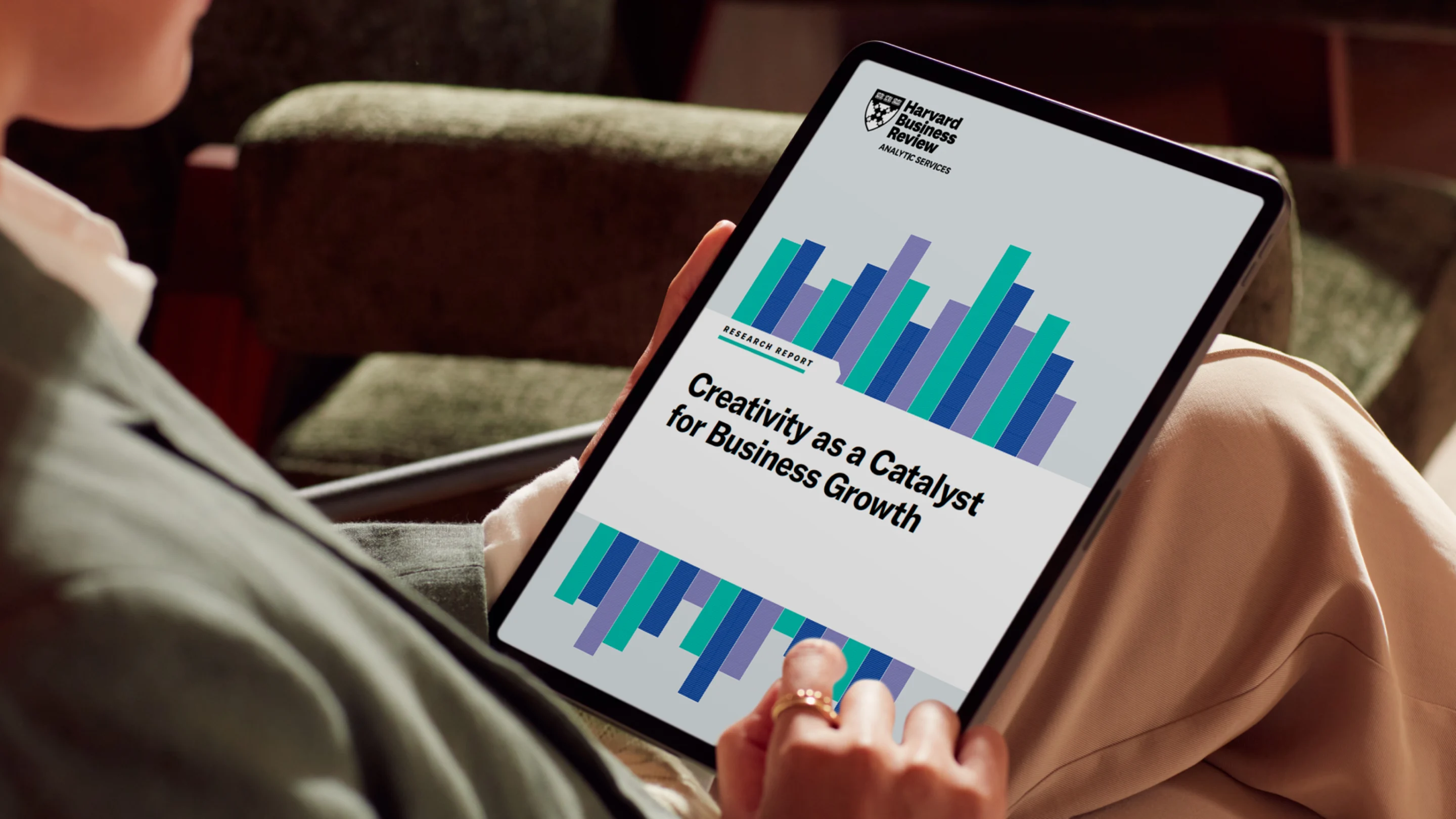
We commissioned a global study with Harvard Business Review(opens in a new tab or window) to examine the opportunities and challenges of fostering creativity in the workplace. Here’s what we found.
Creativity may be the differentiating factor for success. Business leaders agree that creative ideas are essential to an organization’s long-term success and recognize that creative companies achieve greater strategic growth. However, there’s a gap between recognition and execution.
Let’s explore practical strategies for harnessing creativity at your organization and converting it into visible ROI and long-term growth. Before we begin, remember that achieving creative growth is contingent on building a supportive environment for employees. A rigid working environment can stifle creativity, and in today’s corporate landscape, employees have a high fear of failure. But one that welcomes a degree of risk can make all the difference. Now, let’s dive into a few ways to turn creativity into value.

New wave Whiteboards

A brainstorming session is one of the best starting points to encourage creative thinking and gather diverse viewpoints. With Whiteboards, people can generate ideas, add unique thoughts and perspectives in a collaborative space, and react in real-time. Plus, people can participate in ways that fit their working styles, through comments, reactions, editing, and more. You can easily work as a large group or subdivide into breakout sessions.
In our current and evolving state of hybrid and remote work, it’s more important now than ever to encourage this type of connective creativity to keep ideas blooming. Whiteboards are a great way to keep video meetings engaging and allow all participants to feel valued.
How to run a successful brainstorming session:
- Provide a brief ahead of time to allow attendees to arrive with thoughts and ideas.
- Set the tone with music.
- Start with an icebreaker to make everyone feel at ease.
- Level the playing field by encouraging employees of all levels add ideas.
- Provide time for discussion.
- Create a retrospective by transforming your whiteboard into a summary doc(opens in a new tab or window) to share with the team.
The future of data visualization
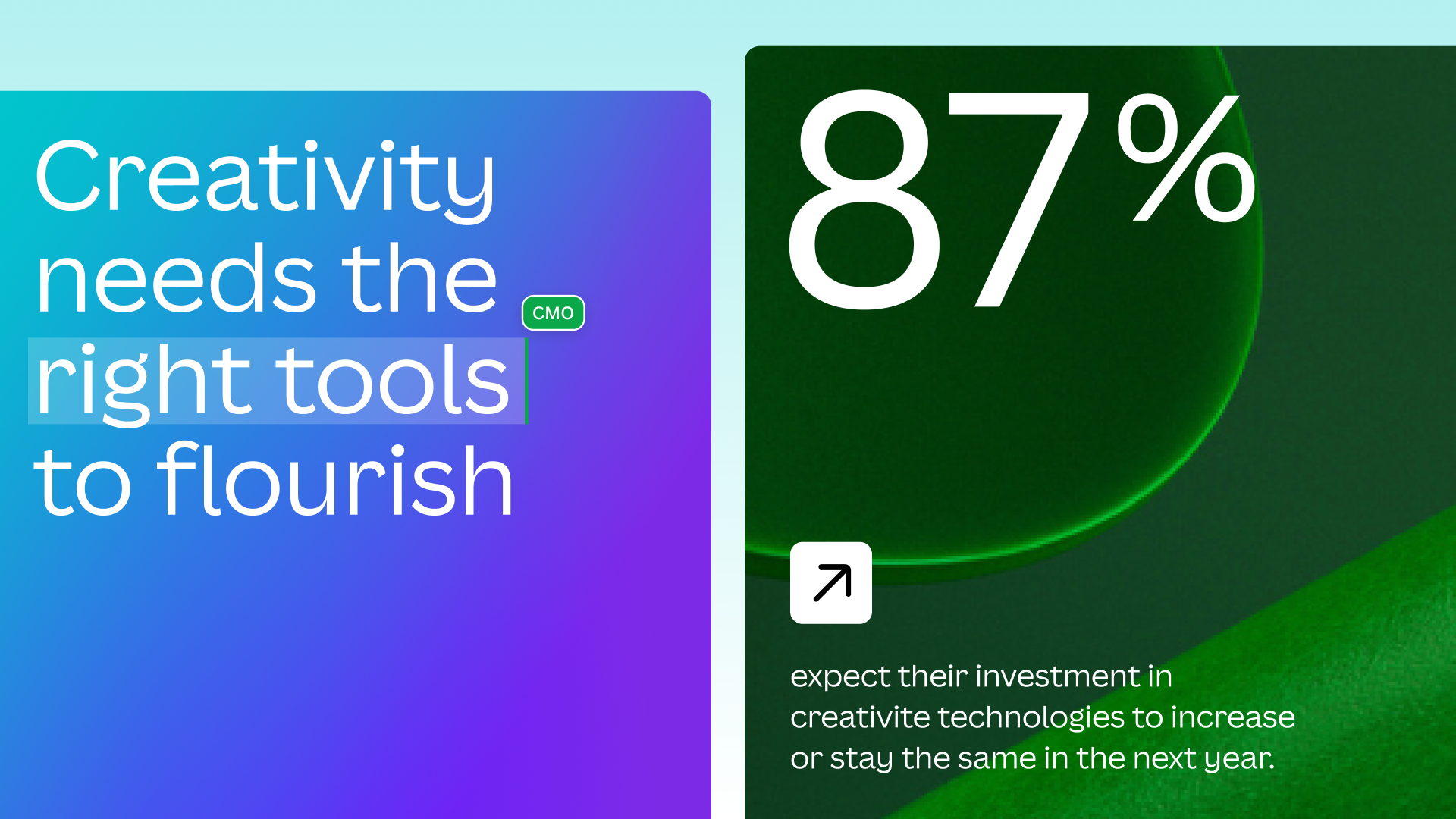
If you're sitting in a long meeting discussing data and metrics, are you more likely to pay attention to stagnant charts or data that comes to life right in front of you?
Data visualization allows you to tell stories with numbers people can interact with, resulting in a more creative and stimulating experience. This approach was once reserved for experienced designers and companies with big budgets, but now, anyone can try data visualization through the Flourish integration with Canva.
Top tips for data visualization:
- Be familiar with visual language: position, orientation, color, size, value, and texture.
- Consider the story you’re telling with data from beginning to end.
- Tailor your report to your audience.
- Be clear and concise.
- Provide context for your data.
- Explore multiple types of visual data to further illustrate your point.

Boosting human creativity with AI

The introduction of AI into the workplace revolutionized daily operations and created a whole new avenue for expanding creativity. Whether you're using AI as a jumping-off point for a project or fully integrated from end to end, with the proper training and implementation, AI can be an asset to boost creativity across all teams.
Here are a few simple steps to safely leverage AI in your organization.
- Tool selection. If you want to maintain control over usage and security easily, try sticking to one platform for all of your AI needs.
- Implementation. To reduce the load on IT teams, find a platform that supports single sign-on and provides 24/7 support.
- Training. To minimize the risk of tech burnout and combat app sprawl, leverage a platform your employees already use to seamlessly integrate AI.
- Security. Protect yourself and your organization by understanding the associated risks of AI. Learn about the security measures in place of the platforms you choose. Canva Shield is a seamless way to deploy AI with minimal risk. In addition, Canva’s commitment to AI safety includes reviewing AI input to identify and prevent inappropriate content.
- Human touch. Always encourage a human touch to guide AI at work. This helps ensure accuracy.

Helpful resources to get creative today
Start your brainstorm with Canva Whiteboards(opens in a new tab or window)
Upscale your data with the Flourish Integration(opens in a new tab or window)
Explore AI tools with Magic Studio(opens in a new tab or window)
For more ways to put creative business into practice, download the full Harvard Business Review report here(opens in a new tab or window). To implement Canva for your organization, contact our sales team(opens in a new tab or window) for more information.

Written by
Canva Team