- How to create content with AI while navigating the risks and assessing opportunities
How to create content with AI while navigating the risks and assessing opportunities

Working in a large organisation with over 100+ employees? Learn how to communicate visually, boost productivity, and stay on brand, at scale. Get in touch(opens in a new tab or window).
Artificial Intelligence has arrived and with it, some real-word headaches. According to recent data, the global Artificial Intelligence market is worth over $200 billion(opens in a new tab or window) so while it used to be a question of ‘how do I use AI’’, now it’s a question of ‘which AI platform do I use’?
With AI becoming the new normal in business, it’s up to each organization to figure out which AI platforms to introduce before app sprawl takes over(opens in a new tab or window). But more importantly, it‘s essential to understand the risks in order to take advantage of the tremendous opportunities AI can bring(opens in a new tab or window), especially when creating content.
AI governance in the workplace
Whether used for creating blog outlines, image creation, or facilitating an entire marketing campaign, there are plenty of ways generative AI has revolutionized the way we work. But with rapid adoption comes the rapid scramble of managing AI before it spirals out of control. Not having visibility over the multiple tools and platforms employees are using can be time-consuming, costly and pose a serious data threat.

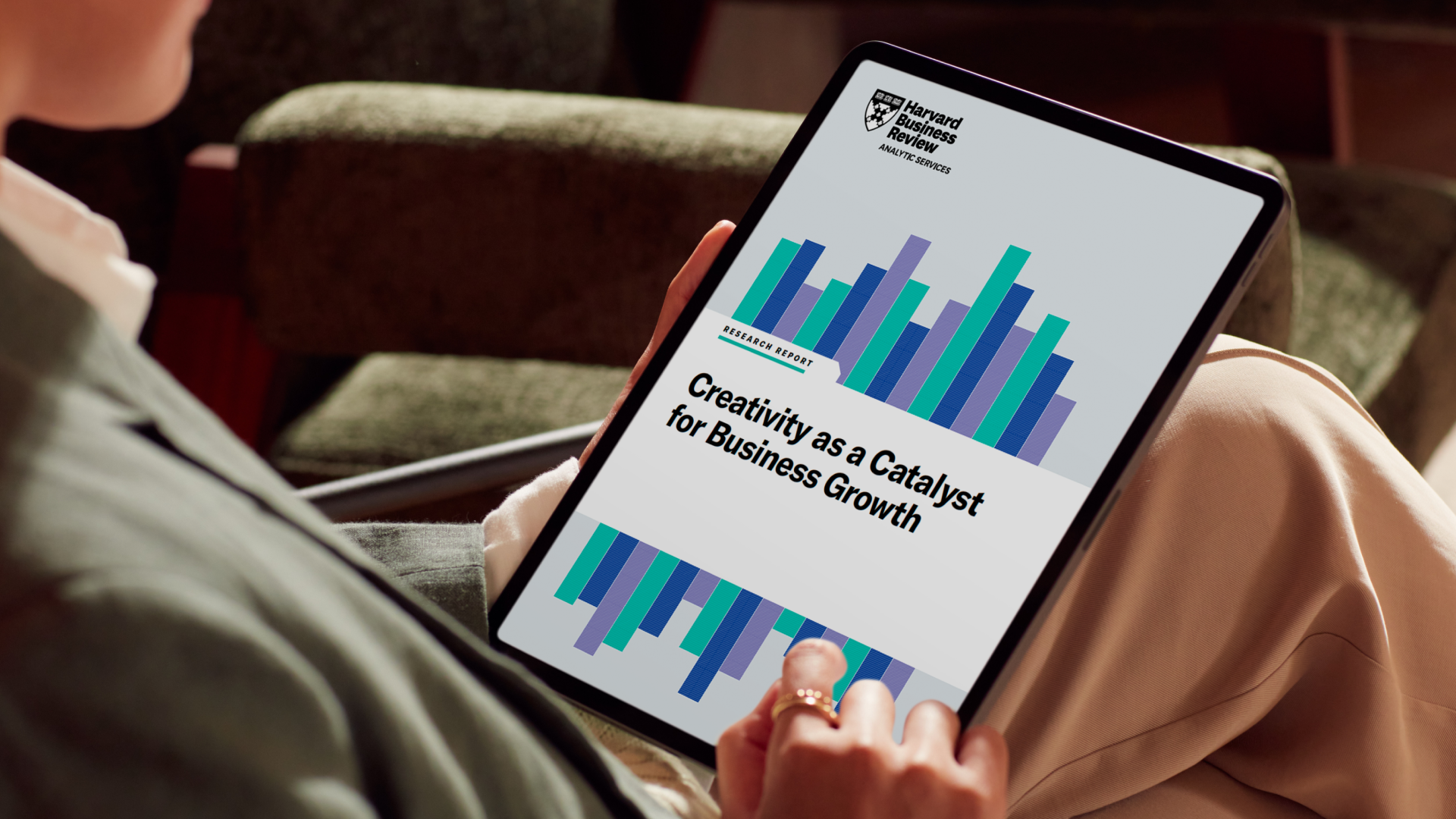
To better navigate this uncharted landscape, Canva surveyed over 1360 global Chief Information Officers (CIOs)(opens in a new tab or window) to gain a greater understanding of the opportunities and the challenges of managing their IT amid the AI boom. A key finding was that 90% of CIOs acknowledge the potential of AI tools enhancing their role and employees' experience, however, introducing new tech meant 64% of IT teams didn’t have enough staff to train employees on new apps. So while the benefits of AI are clear, integration is one of the most important parts of successful implementation.
The risk of AI integration into organizations

For both key decision makers and IT, there are a few hurdles to overcome.
- Complexity: 84% of CIOs agree that there are already too many AI tools and technologies available.
- Security and risk management: 40% of CIOs are concerned about deploying AI securely and continually managing its risk.
- IT training and procedures: 41% of CIO worry about employees not following established IT procedures while 44% of IT leaders say their teams spend more than half of their time educating employees about new technologies.
- App Sprawl: 71% of CIOs expect to adopt 30-60 new apps his year.
- What’s really surprising is even with those concerns, 94% of CIOs are still planning to increase their investment in AI tools. Clearly, when it comes to using AI, the pros outweigh the cons so it’s definitely worth finding a way to work around the issues.
How to navigate AI risk management and overcome AI security concerns
There are three key factors to minimizing AI risk:
- Consolidation. Reducing the amount of applications in any organization provides IT with more time for planning, innovation and other business-critical work.
- Integration. Choosing AI platforms that integrate seamlessly with existing applications reduces friction and allows control of the users and accounts created.
- Sustainable investment. While AI-powered applications enable teams to do more with less, the benefit must be balanced with platforms that are easy to use and don’t require a large amount of training.
Supercharge work, creativity and AI safety

The good news is with the rapid development of AI comes the rapid development of tools to help manage AI risk. While there are plenty to choose from, it helps to have it clear what your organization needs.
- Complexity: If you’re looking for simplicity, choose one platform and stick with it. One single platform means it's easy to maintain control of who and how it’s being used giving organizations full visibility.
- IT training and procedures: Seamless integration means your organization will be up and running in no time without requiring too much of IT’s time. For added efficiency, consider a platform with single sign on, two-factor authentication and 24/7 support.
- Security and risk management: For top notch security, you’ll need robust trust, safety, and privacy tools. Canva Shield(opens in a new tab or window) is a great example as it makes it easy to deploy AI and minimize risks. In addition, Canva’s commitment to AI safety(opens in a new tab or window) includes reviewing AI input to identify and prevent things such as generating inappropriate content.
5 best-practice tips for AI risk management
In the world of AI, humans still have a place, especially when it comes to how you roll it out. So on a final note, here’s some top tips for best AI practice.
- Protect yourself. If anything does go wrong, it’s good to know you’re protected, especially when dealing with legal issues such as copyright. Indemnification for Enterprise(opens in a new tab or window)means you, your teams and your organization are automatically coveredat no extra cost.
- Keep your eye on your privacy. Manage your privacy settings to keep your data protected. Invest in robust systems across content moderation, automated reviews and reporting.
- Stay human. Apply a human lens to your AI work so you know that it’s accurate and appealing to your audience.
- Stay in control. It’s easy for you or anyone in your organization to get carried away so consider using features such as assigning access to AI-powered features by role type. For example, your social team might be able to use AI to create posts in the brand tone of voice, but not AI images. Adjust controls as your team evolves, grows and learns more about what AI can really do.
To discover more about how Canva can help you consolidate, integrate and be a sustainable investment in the age of AI, take a close look at Canva for Enterprise(opens in a new tab or window) or download the CIO report here(opens in a new tab or window).

Written by
Canva Team