- Bubble Chart

Free bubble chart maker
Bubble chart maker features
Analyze a large amount of data with ease using Canva’s bubble chart generator. Start inspired with a customizable bubble chart template from our library. Then input your data, upload it, or import it from Canva Sheets. Personalize your design with our vast library of elements, and explore our selection of collaborative editing tools to make a visually engaging bubble chart.
More than 20 professional types of graphs to choose from
Professionally designed templates to fast-track your workflow
Data visualization made easy – no complicated software to learn
Publish, share or download your high-resolution graph
Embed your bubble chart in presentations, reports, and more with no fuss
Easy drag-and-drop tools, made with the non-designer in mind
How to make a bubble chart

What is a bubble chart?
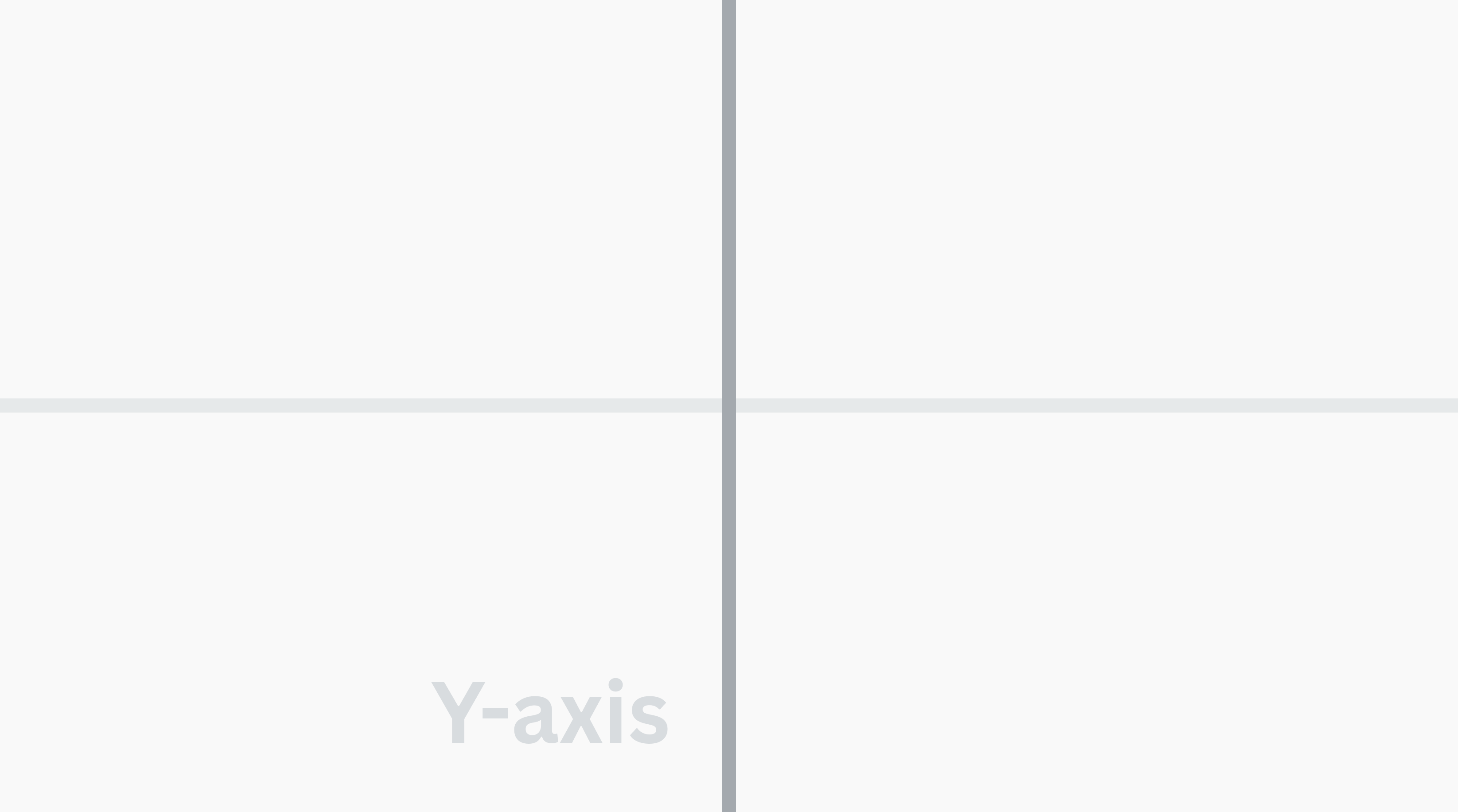
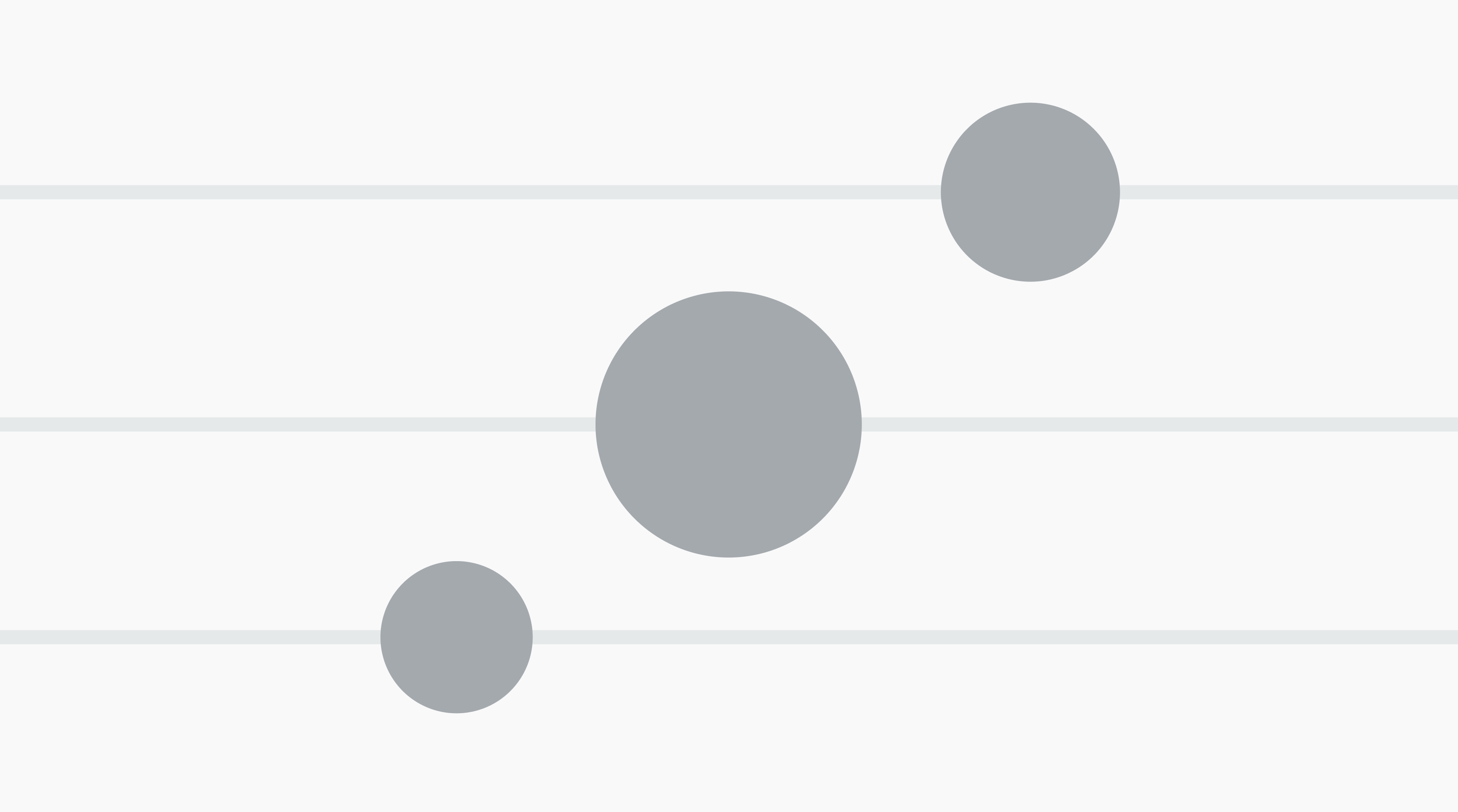
A bubble chart (also known as a bubble plot or bubble graph) consists of bubbles scattered across a plane with horizontal and vertical axes, and it compares data across three numerical variables. Two of the three variables determine a bubble’s location on the x-axis and y-axis, while the third variable defines the size (area) of the bubble. The bigger the value of the third variable, the larger the bubble. A fourth variable can be added by color-coding the bubbles according to categories.
Why use bubble charts?

If your data set has three numerical variables requiring a three-way comparison, then a bubble chart is the way to go. In a single graph, a bubble plot shows the relationships between variables X and Y, Y and Z, and X and Z. In the case of color-coded bubbles, you get a fourth dimension that conveys even more information about data groupings. In essence, bubble charts pack complex data sets into one, engaging visualization that you can easily embed into your reports, docs, and presentations.
Components of a bubble chart

X-axis
Y-axis
Bubbles
Turn complex data into a striking bubble chart

Whether you’re analyzing customer satisfaction ratings or preparing product cost projections, a bubble chart helps you visualize the relationship between multiple values and data points.
With Canva’s free bubble chart maker, you don’t need to start from scratch to make on-brand, professional bubble graphs. Simply choose a template, input or import your data, and elevate your design with our intuitive data visualization tools.
Organize your data and uncover trends in a sna

Adding, analyzing, and interpreting your data is fast and simple with our bubble chart generator. Type in your numbers or import them from a file through our built-in data table. Assign different colors to each variable. Add supporting information and labels to your graph. In just a few clicks, you’ll get an interactive bubble chart that shows you the bigger picture. It's the perfect tool for marketing managers, product developers, and data analysts.
Design custom bubble charts that stand out

Take your bubble chart to the next level with our massive library of elements, including photos, graphics, stickers, and custom animation. Choose fonts and marker shapes that fit your brand, and use Brand Kit (Pro) to add design elements that are uniquely yours. With Canva, it’s easy to create stunning charts that capture your audience’s attention.
Create a bubble chart together

Collaborating with your team to build impactful bubble charts is a breeze on Canva. Simply share your design link with each member so that you can work together anytime, anywhere. Assign tasks, leave sticky notes, and see any edits in real time. Discuss key takeaways and create your bubble chart as a unit all on one platform.
Bubble chart templates




Assem A
Frequently Asked Questions
A bubble chart is an expanded scatterplot; the main difference is that a third numerical variable dictates the size of the dots or bubbles.
A scatterplot consists of dots plotted across a horizontal and vertical axis, showing the correlation between two variables. A bubble chart is essentially the same, but the sizes of the dots—or bubbles—vary because they’re defined by a third variable.
- Bubble charts work best when determining relationships between three numerical variables, two of which will be plotted on a horizontal and vertical axis, while the third will be represented by the area size of the bubble. For example, you can create a bubble chart to summarize data about:
- Product sales: price (x-axis), units sold (y-axis), and profit (bubble size)
- City demographics: household income (x-axis), median age (y-axis), and city population (bubble size)
- Classroom outcomes: student-teacher ratio (x-axis), average scores (y-axis), and number of students (bubble size)
To interpret a bubble chart, you’ll have to look for patterns. Read the bubble chart legend, then observe the positions of the bubbles. If the bubbles tend to go upward, it suggests that as X increases, Y tends to increase too. Conversely, if the bubbles seem to go downward, it suggests that as X increases, Y tends to decrease.
It’s also possible that the bubbles are scattered randomly, which suggests no clear relationship between X and Y. Observe the size of the bubbles, too. Are the larger bubbles concentrated at certain X and Y values? Are there outliers? All these will help you understand the story that the bubble graph is trying to convey.
- Yes. A bubble chart can have a fourth dimension denoted by the color of the bubbles. Note, however, that the fourth variable is usually non-numerical, as it is represented by color.