- Site Maps
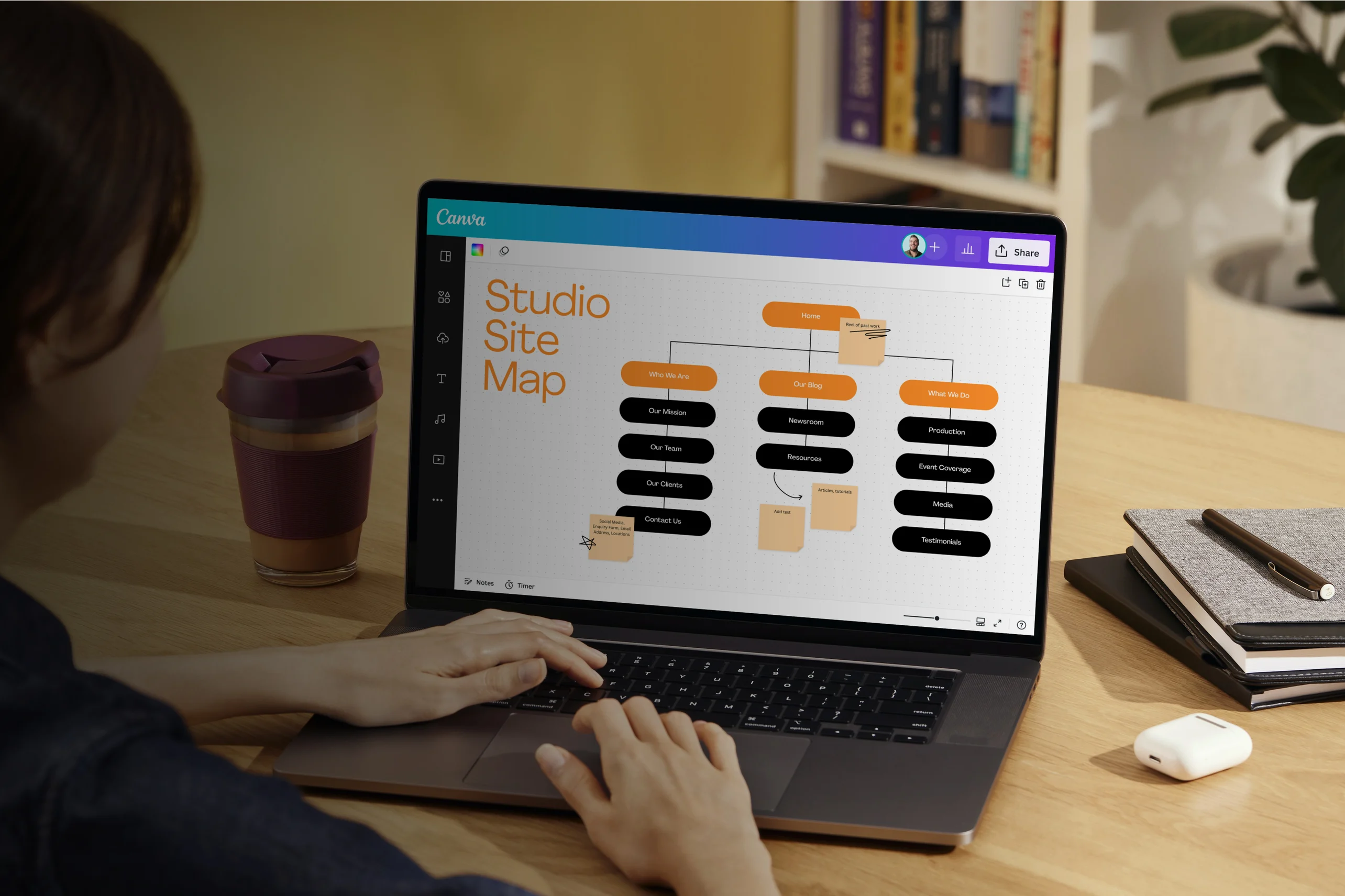
Free online visual sitemaps
Create a sitemap online
Generate visual sitemaps to reflect the structure and flow of your website. Then find ways to optimize user interaction and experience for each page. Search for visual elements and templates from our library to outline your web pages and link page URLs for easy access. Whether complex or simple, our online whiteboard tool lets you create a visual sitemap for your website using the best features.
Infinite space made for unlimited ideas
Professionally designed templates to fast-track your workflow
Share and ideate with anyone, anytime, on any device
Run a workshop with whiteboard elements, sticky notes, and a timer
Embed your sitemap in Docs, presentations, and more easily
Easy online whiteboard tools and data visualization
How to create a sitemap


What is a sitemap?
A sitemap lists and organizes pages in your website and shows the importance of each page based on hierarchy, structure, and flow. Sitemaps help you establish relationship between pages so search engines like Google are able to find, crawl, and index your website content properly. There are two types of sitemap: XML and HTML. Both improves navigation, user interaction, and user experience.
Why use visual sitemaps?

Just as a geographical map acts as your guide to a destination, your website’s sitemap is a navigational tool to help you and your audience find information quickly. Nowadays, you can extract your web pages using a sitemap generator tool and upload the file for Google and other search engines to find, crawl, and index your content. It can help search engines focus on high-priority pages.
If you want to visually organize your website, visual sitemaps are the way to go. This is perfect before creating content pages or structuring your website. From there, you can outline how your pages relate to one another and dictate the user flow to avoid confusion as one navigates your site.
Navigate your site clearly

Follow an easy flow of creating visual sitemaps without getting lost, thanks to a great starting point. Use free templates and features from Canva’s online whiteboard tool. Our sitemap creator lets you navigate your website structure smoothly in no time. Outline and organize your pages, then illustrate their hierarchy and connections next. We’ll do the heavy-lifting on your design so you can stay focused on the overall planning and management of your website.
Map website pages visually

Use visual elements to get more clarity on your sitemap’s direction. Head over to our Elements tab and search for graphics and icons that could act as legends for specific page types or their relationships. Colors can also help you differentiate one page from another. Then, add brief descriptions about each page using stylish text fonts of your liking. You can also sketch ideas with Draw(opens in a new tab or window).
Link pages with one another

Illustrate relationships in your sitemap. Connect shapes easily when you hover your cursor over it. Then, add connected shapes up, down, left, or right depending on structure and hierarchy. And since sitemaps are a visual representation of your website, it’s best to have clickable content. Select an element in your design, click on the Link icon, and enter a page URL to create a hyperlink.
Collaborate with your team

Work with your team seamlessly to create a visual sitemap, no matter how complex or simple your website is. Collaborate anytime, anywhere. Simply share editing access with your teammates so they can apply design changes, leave comments, add sticky notes, or react with whiteboard graphics or stickers. When it’s complete, present your visual sitemap right away as a presentation to your stakeholders.
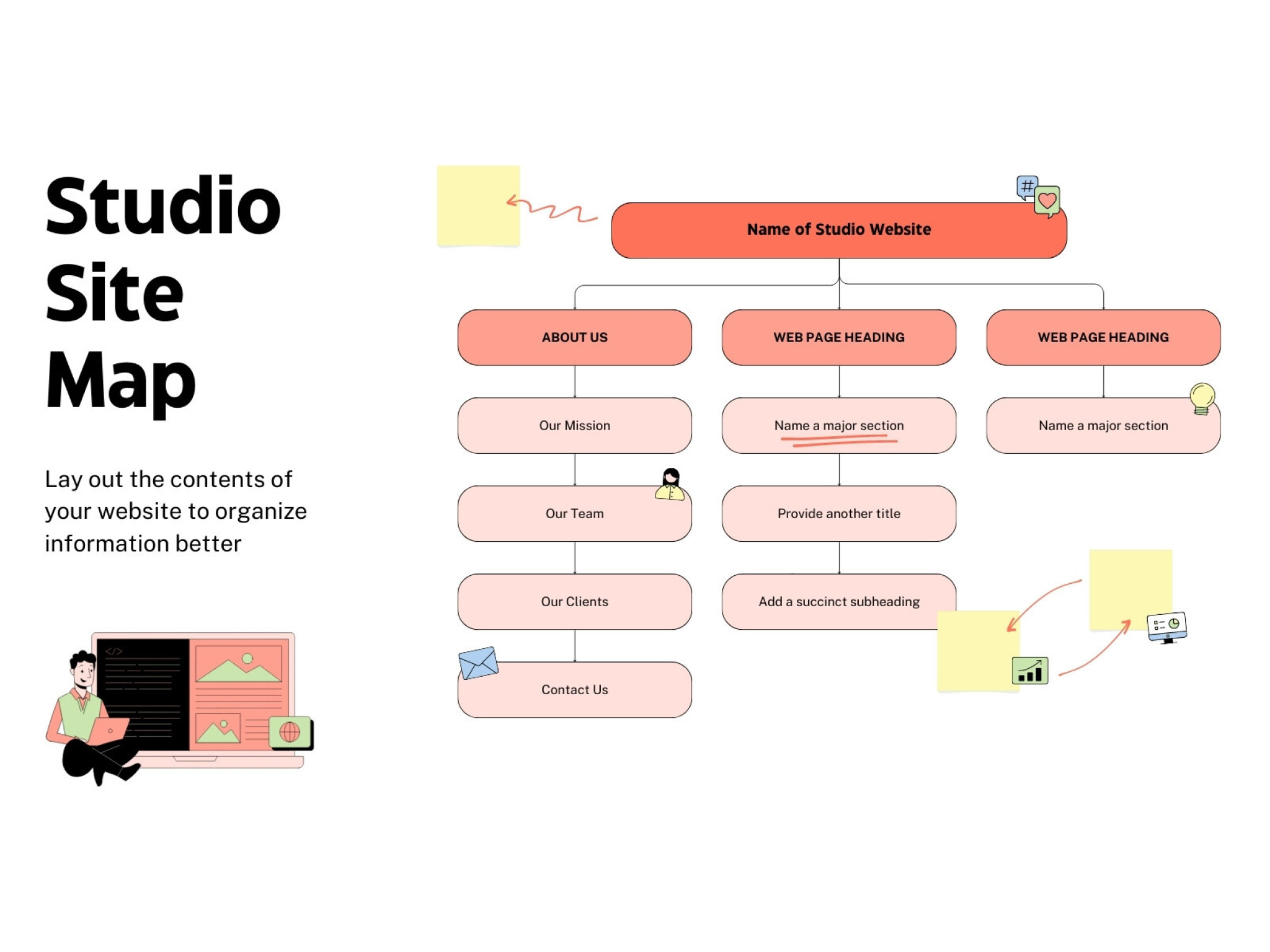
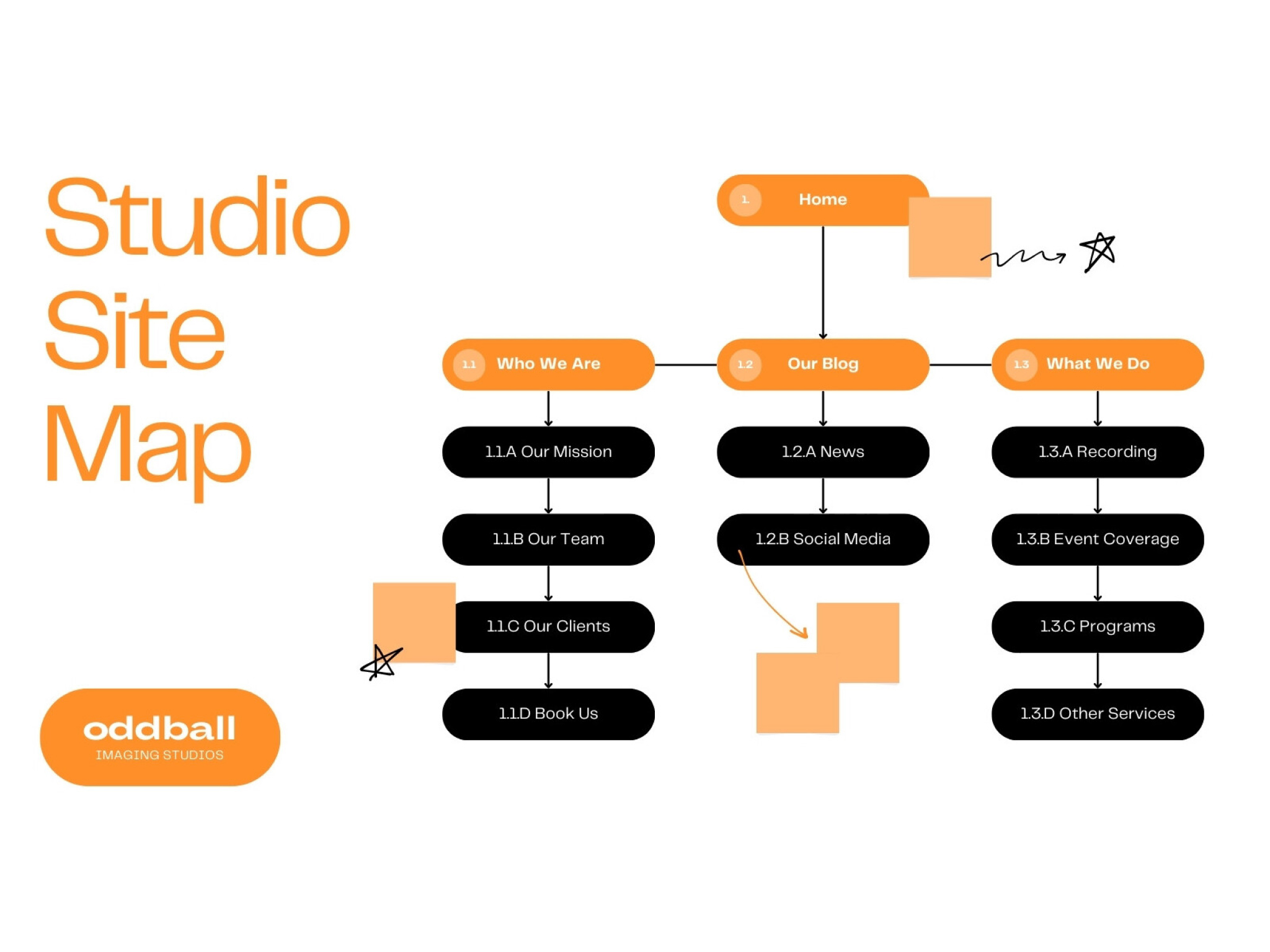
Start inspired with a sitemap template



Assem A
Frequently Asked Questions
- Search engines like Google use sitemaps as a way to find out what pages, videos, images, and files are important or valuable to your website, crawl content on these pages, and index them properly so they appear in search results. Simply put, they see a sitemap as your website’s blueprint.
- An XML sitemap is a file that stores your website structure and the web pages you deemed important and valuable. This is then used by search engines like Google to find, crawl, and index site data faster and more efficiently.
- There are sitemap generator tools online that can create a sitemap file of your website. Remember to check if it captured the pages and content that you want to be indexed and discovered in search results. You might want to remove redirects and missing pages. When you need a visual sitemap later on, use our online whiteboard tool as your visual sitemap creator.
- A clear and well-organized sitemap is vital in SEO because it guides search engines like Google in discovering content on pages within your website faster. Not only do sitemaps guide, but the processes involved such as outlining, organizing, and deciding on hierarchy all contribute to key SEO efforts like comprehensive internal linking, improving user experience and navigation, and having conversion through sign-ups in mind.
- A sitemap is best to have when your site is: large and complex, new, has a few external links, and has a lot of rich media content, according to Google. This will help in making your web pages more discoverable in search results which will in turn boost your SEO efforts.